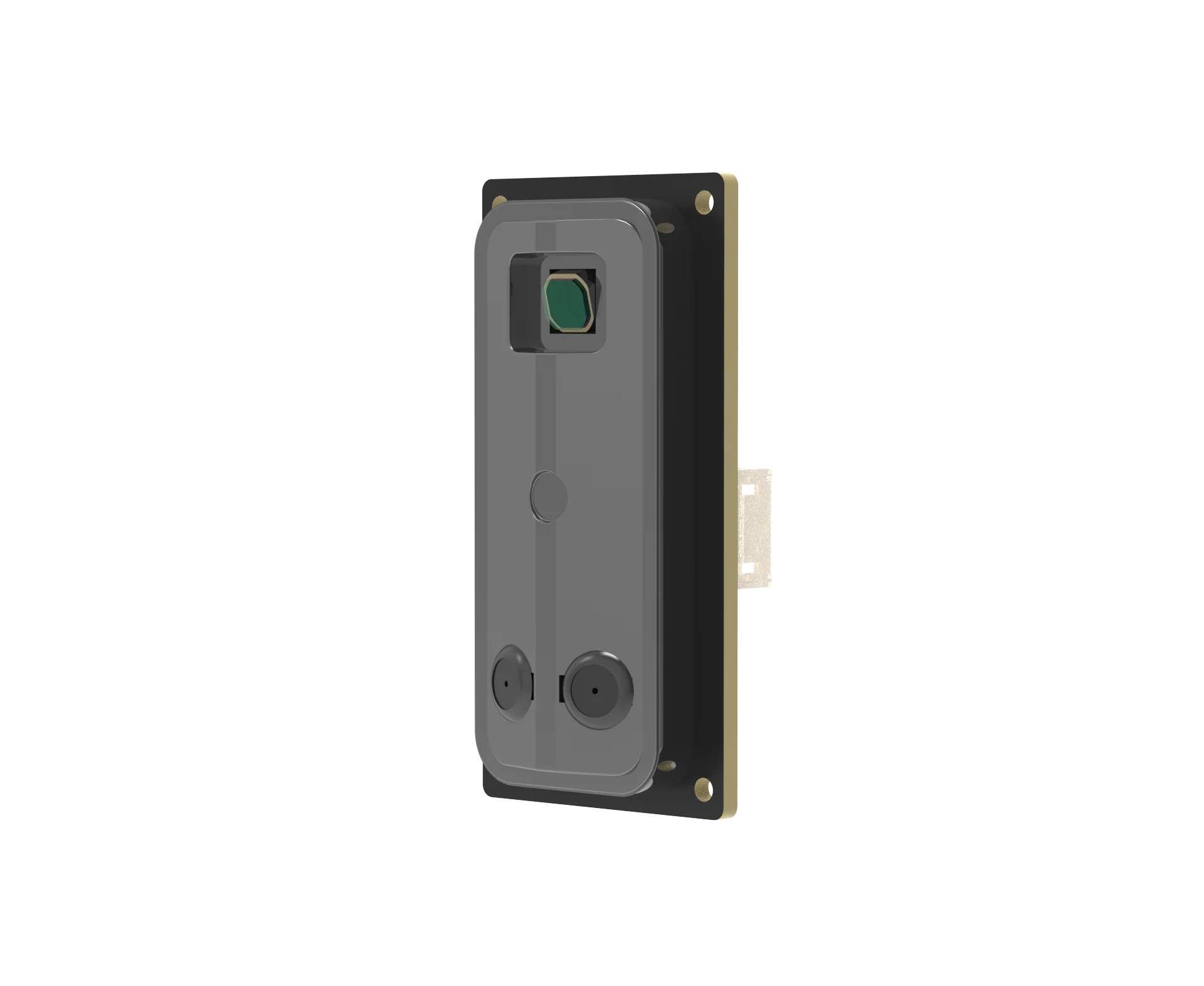
YDLIDAR HP60C - RGB-D depth camera
YDLIDAR HP60C Description
YDLIDAR HP60C (hereinafter referred to as HP60C original depth camera uses structured light 3D imaging technology to obtain depth images, which meets different human computer interaction functions such as robot navigation, obstacle avoidance, depth information modeling, gesture control, human body scanning and motion capture. The built-in HD RGB camera meets the needs of texture mapping, object recognition, video surveillance and other applications.
HP60C original depth camera is compact, USB 2.0 standard output interface, easy to integrate, providing flexibility for system integrators, can be adapted to indoor complex environments such as strong light and weak light.

YDLIDAR HP60C Function and Features
| The range measurement accuracy is high |
| Strong perception |
| Depth and RGB images merge seamlessly |
| Depth image level for a large FOV |
| Multiple cameras work simultaneously |
| High environmental adaptability |
1) High ranging accuracy: 60cm wide baseline design, professional depth computing chip and algorithm, accuracy leading the industry level, improve the performance of robot small object detection, narrow channel obstacle avoidance and other performance.
2) Strong perception ability: the algorithm optimizes the perception performance of black objects, highly reflective objects and semi-transparent objects to lead the industry.
3) Seamless fusion of depth and RGB images: temporal and spatial alignment of depth map and RGB images to meet the intelligent detection requirements of multi-scene image fusion.
4) Multi-camera work at the same time: 640*480/160*120@5/8/10/15/20 fps depth image output, which occupies less bandwidth and makes multiple cameras work at the same time.
5) Depth image horizontal large FOV: depth image horizontal direction FOV 73.8°to meet the requirements of robot large FOV.
6) High environmental adaptability: -10~50℃ wide temperature working, 940nm wavelength, good resistance to environmental light and dust interference performance.
INTRODUCTION TO THE ORIGINAL DEPTH CAMERA TECHNOLOGY
Imaging Technique
The original depth camera mainly includes an infrared camera (IR camera), a dot-matrix projector (Dot projector), and a depth computing processor (depth processor). The dot matrix projector is used to project a structured light pattern (speckle pattern) to the target scene (Scene). The infrared camera collects the infrared structured light image of the target. The depth computing processor receives the infrared structured light image and performs the depth computing algorithm and outputs the depth image of the target scene.
Depth calculation processor in the depth calculation, the pre-calibration of infrared reference pattern and the current acquisition of infrared real-time pattern comparison calculation, according to the relative displacement between the two, can obtain the pixel deviation between the image (d), then based on the structure light triangulation principle, calculated by the deviation value d distance, namely "depth".

System Framework

STRUCTURAL DESCRIPTION
Structural Drawings

Installation Recommendations
The installation recommendations for the HP60C original depth camera are as follows:
1. The front and back of the original depth camera are pressed by foam, and the side is closely coordinated with the stuck position structure.
2. Reserve 2 M3 screw holes on the back side.
3. One M3 grounding treatment is reserved on the side.
Heat Dissipation Recommendations
Heat dissipation recommendations are as follows:
1. Connecting the bracket of the original depth camera with the metal part of the whole machine is conducive to reducing the ambient temperature of the hardware work.
2. Try to increase the space around the original depth camera, so that the original depth camera has more space for conventional heat dissipation.
SPECIFICATION AND PARAMETERS OF T DEP DEPTH CAMERA
Physical Product

Technical Specifications
| Parameter | Model | YDLidar HP60C Depth Camera |
|---|---|---|
| Essential parameter | Product size | 89.8×19.0×25.0 mm |
| Power dissipation | < 2 W | |
| Joggle | Type C USB 2.0 | |
| Operating distance | 0.2~4 m (within 2m best) | |
| Working temperature | -10~50 °C | |
| Storage temperature | -30~80 °C | |
| Working humidity | 0~90 % | |
| Power supply mode | USB | |
| Vbus | 4.75~5.25 V | |
| Depth precision | Plane accuracy | <2 mm @ 1m |
| Filling rate (middle 81% area) | > 99.5% @ 1m | |
| Depth image | Resolution / Frame rate | 640×480 @ 20fps (Max) |
| Depth FOV | 73.8×58.8×86.4 (H×V×D) | |
| Depth transfer image format | RAW16 | |
| RGB picture | Resolution / Frame rate | 1920×1080 @ 20fps (Max), Recommended: 640×360 @ 20fps, 640×480 @ 20fps |
| FOV | 80.9×51.7×88.9 (H×V×D) | |
| Transfer image format | RGB888 | |
| After depth map and RGB map alignment, depth map FOV | RGB resolution at the 640×360 condition | 73.8×51.7 (H×V) |
| RGB resolution at the 640×480 condition | 64.4×51.7 (H×V) |
| Parameter | Item | Specification |
|---|---|---|
| Safety standard | ESD |
±8kV (contact discharge) ±15kV |
| EMI/EMC | Meet the 3C certification performance standards | |
| Laser Safety | Class 1 | |
| Development Platform | Windows | Support |
| Android | Support | |
| Linux | Support |
DOCUMENTS
| YDLIDAR HP60C Data Sheet | Download >> |

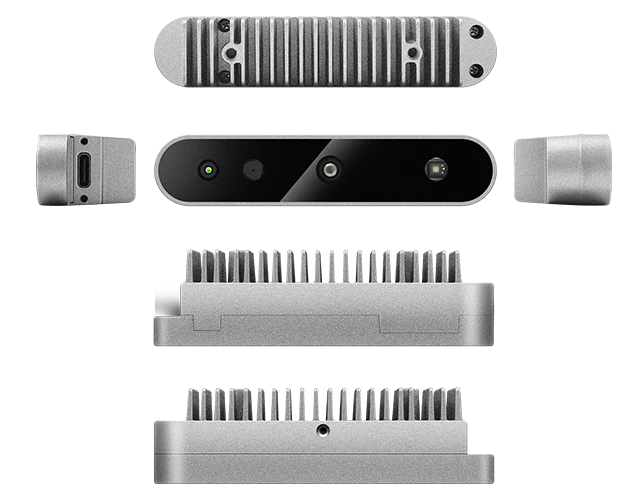
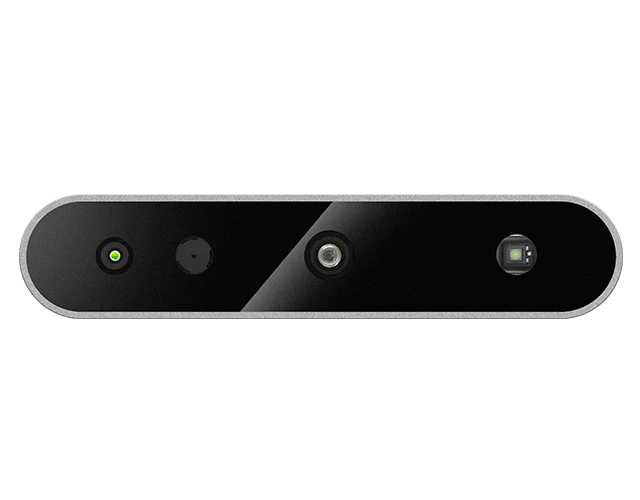
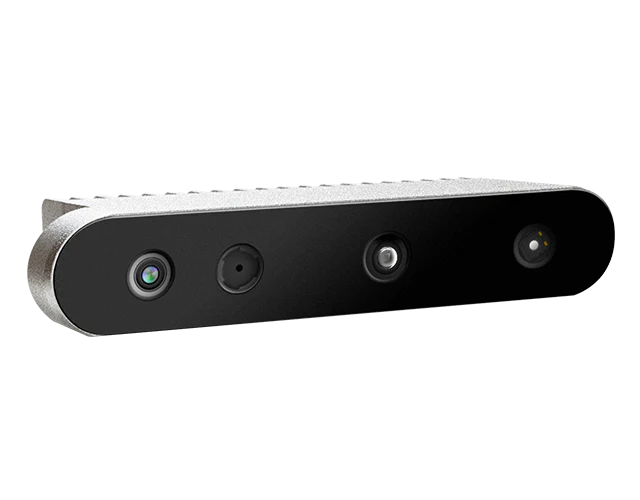
Description
YDLIDAR HP60C Description
YDLIDAR HP60C (hereinafter referred to as HP60C original depth camera uses structured light 3D imaging technology to obtain depth images, which meets different human computer interaction functions such as robot navigation, obstacle avoidance, depth information modeling, gesture control, human body scanning and motion capture. The built-in HD RGB camera meets the needs of texture mapping, object recognition, video surveillance and other applications.
HP60C original depth camera is compact, USB 2.0 standard output interface, easy to integrate, providing flexibility for system integrators, can be adapted to indoor complex environments such as strong light and weak light.
YDLIDAR HP60C Function and Features
| The range measurement accuracy is high |
| Strong perception |
| Depth and RGB images merge seamlessly |
| Depth image level for a large FOV |
| Multiple cameras work simultaneously |
| High environmental adaptability |
1) High ranging accuracy: 60cm wide baseline design, professional depth computing chip and algorithm, accuracy leading the industry level, improve the performance of robot small object detection, narrow channel obstacle avoidance and other performance.
2) Strong perception ability: the algorithm optimizes the perception performance of black objects, highly reflective objects and semi-transparent objects to lead the industry.
3) Seamless fusion of depth and RGB images: temporal and spatial alignment of depth map and RGB images to meet the intelligent detection requirements of multi-scene image fusion.
4) Multi-camera work at the same time: 640*480/160*120@5/8/10/15/20 fps depth image output, which occupies less bandwidth and makes multiple cameras work at the same time.
5) Depth image horizontal large FOV: depth image horizontal direction FOV 73.8°to meet the requirements of robot large FOV.
6) High environmental adaptability: -10~50℃ wide temperature working, 940nm wavelength, good resistance to environmental light and dust interference performance.
INTRODUCTION TO THE ORIGINAL DEPTH CAMERA TECHNOLOGY
Imaging Technique
The original depth camera mainly includes an infrared camera (IR camera), a dot-matrix projector (Dot projector), and a depth computing processor (depth processor). The dot matrix projector is used to project a structured light pattern (speckle pattern) to the target scene (Scene). The infrared camera collects the infrared structured light image of the target. The depth computing processor receives the infrared structured light image and performs the depth computing algorithm and outputs the depth image of the target scene.
Depth calculation processor in the depth calculation, the pre-calibration of infrared reference pattern and the current acquisition of infrared real-time pattern comparison calculation, according to the relative displacement between the two, can obtain the pixel deviation between the image (d), then based on the structure light triangulation principle, calculated by the deviation value d distance, namely "depth".
System Framework
STRUCTURAL DESCRIPTION
Structural Drawings
Installation Recommendations
The installation recommendations for the HP60C original depth camera are as follows:
1. The front and back of the original depth camera are pressed by foam, and the side is closely coordinated with the stuck position structure.
2. Reserve 2 M3 screw holes on the back side.
3. One M3 grounding treatment is reserved on the side.
Heat Dissipation Recommendations
Heat dissipation recommendations are as follows:
1. Connecting the bracket of the original depth camera with the metal part of the whole machine is conducive to reducing the ambient temperature of the hardware work.
2. Try to increase the space around the original depth camera, so that the original depth camera has more space for conventional heat dissipation.
SPECIFICATION AND PARAMETERS OF T DEP DEPTH CAMERA
Physical Product
Technical Specifications
| Parameter | Model | YDLidar HP60C Depth Camera |
|---|---|---|
| Essential parameter | Product size | 89.8×19.0×25.0 mm |
| Power dissipation | < 2 W | |
| Joggle | Type C USB 2.0 | |
| Operating distance | 0.2~4 m (within 2m best) | |
| Working temperature | -10~50 °C | |
| Storage temperature | -30~80 °C | |
| Working humidity | 0~90 % | |
| Power supply mode | USB | |
| Vbus | 4.75~5.25 V | |
| Depth precision | Plane accuracy | <2 mm @ 1m |
| Filling rate (middle 81% area) | > 99.5% @ 1m | |
| Depth image | Resolution / Frame rate | 640×480 @ 20fps (Max) |
| Depth FOV | 73.8×58.8×86.4 (H×V×D) | |
| Depth transfer image format | RAW16 | |
| RGB picture | Resolution / Frame rate | 1920×1080 @ 20fps (Max), Recommended: 640×360 @ 20fps, 640×480 @ 20fps |
| FOV | 80.9×51.7×88.9 (H×V×D) | |
| Transfer image format | RGB888 | |
| After depth map and RGB map alignment, depth map FOV | RGB resolution at the 640×360 condition | 73.8×51.7 (H×V) |
| RGB resolution at the 640×480 condition | 64.4×51.7 (H×V) |
| Parameter | Item | Specification |
|---|---|---|
| Safety standard | ESD |
±8kV (contact discharge) ±15kV |
| EMI/EMC | Meet the 3C certification performance standards | |
| Laser Safety | Class 1 | |
| Development Platform | Windows | Support |
| Android | Support | |
| Linux | Support |
DOCUMENTS
| YDLIDAR HP60C Data Sheet | Download >> |